Surgery can be intimidating, and one of the most common questions patients ask is: Is laparoscopic surgery safe? Laparoscopy, often called “keyhole surgery”, has become one of the most widely used surgical methods across the world. Compared to traditional open surgery, it offers smaller incisions, quicker recovery, and reduced risk of complications.
In this blog, we’ll explore the safety of laparoscopic surgery, its advantages, possible risks, and what you can expect before and after the procedure.
What is Laparoscopic Surgery?
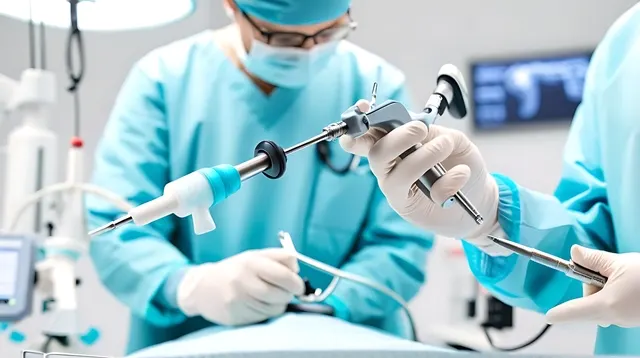
Laparoscopic surgery is a minimally invasive technique in which the surgeon makes tiny incisions, usually less than 1 cm, and inserts a thin tube with a camera (laparoscope). The camera projects a magnified image of the inside of the body onto a screen, allowing the surgeon to operate with precision.
It is commonly used for:
- Gallbladder removal (cholecystectomy)
- Appendectomy (appendix removal)
- Hernia repair
- Bariatric (weight-loss) surgery
- Gynaecological procedures (hysterectomy, ovarian cyst removal)
- Colon and stomach surgeries
Laparoscopic surgery, often called keyhole surgery, has transformed modern medicine. It allows surgeons to operate through small incisions using a camera and specialised instruments, offering faster recovery and minimal scarring compared to traditional open surgery.
However, one common question patients have after their procedure is: “Can I walk immediately after laparoscopic surgery?”
The short answer is yes, light walking is usually encouraged within a few hours after surgery — but with caution and guidance. Let’s explore why movement is important, how to do it safely, and what recovery looks like.
What Happens During Laparoscopic Surgery
Laparoscopic surgery is performed under general anaesthesia. The surgeon makes small incisions in the abdomen and inserts a laparoscope, a thin tube with a camera, to visualise internal organs on a screen.
This minimally invasive approach is used for many procedures, including:
- Gallbladder removal (laparoscopic cholecystectomy)
- Appendectomy
- Hernia repair
- Gynaecological surgeries such as ovarian cyst removal or hysterectomy
- Bariatric (weight loss) surgery
Because the incisions are small, tissue damage and post-operative pain are minimal, leading to quicker mobilisation and recovery.
Can You Walk After Laparoscopic Surgery?
Most patients can begin light movement or short walks within a few hours of regaining consciousness, once the effects of anaesthesia have worn off. Your surgeon or nurse will usually encourage you to get out of bed and walk as soon as it’s safe to do so.
Walking is not only safe but beneficial, as it helps stimulate blood circulation and prevents complications such as deep vein thrombosis (DVT). However, the pace and duration of walking depend on your procedure type, overall health, and comfort level.
Why Early Walking Is Important
Prevents Blood Clots
After any surgery, lying still for too long can slow blood flow and increase the risk of clots in the legs. Light walking boosts circulation and lowers this risk significantly.
Reduces Gas Pain and Bloating
During laparoscopic surgery, carbon dioxide gas is used to inflate the abdomen for better visibility. Some of this gas may remain inside post-surgery, causing shoulder or abdominal discomfort. Gentle walking helps release trapped gas and ease pain.
Improves Bowel Function
Movement stimulates intestinal activity and helps prevent constipation, which is common after surgery due to pain medication or a reduced diet.
Promotes Faster Healing
Walking improves oxygen supply to tissues, helping wounds heal more efficiently. It also prevents stiffness and enhances muscle tone during recovery.
Lifts Mood and Confidence
Even a short walk after surgery can boost mood, reduce anxiety, and make patients feel more in control of their recovery process.
How Soon Should You Start Walking?
For most laparoscopic procedures, patients are encouraged to walk within 6 to 12 hours after surgery, depending on the type and complexity. Your doctor will advise when it’s safe based on your specific condition.
For minor procedures (like gallbladder or appendix removal):
Light walking can usually begin the same day under supervision.
For major surgeries (like hysterectomy or bariatric surgery):
Walking may begin after 12–24 hours, gradually increasing as tolerated.
The goal is to start slow, take short steps around your room or hospital corridor, rest often, and increase your walking time each day.
What to Expect in the First Few Days
- Mild soreness or bloating around the abdomen is normal.
- Shoulder pain may occur due to residual gas; walking helps relieve this.
- Fatigue is expected; rest whenever needed.
- Stitches or bandages should remain clean and dry.
Your doctor may prescribe mild painkillers and antibiotics to aid in comfort and prevent infection.
Activities to Avoid After Laparoscopic Surgery
While walking is recommended, avoid:
- Lifting heavy weights for at least 2–3 weeks
- Vigorous exercise or running
- Bending or twisting movements
- Driving until your doctor approves
- Sexual activity (usually avoided for 1–2 weeks, depending on surgery type)
Following these precautions ensures your internal healing process is not disrupted.
Possible Risks of Laparoscopic Surgery
Even though it is safe and commonly performed, no surgery is completely risk-free. Some potential complications include:
- Bleeding or infection at the incision site
- Injury to nearby organs such as the intestines, bladder, or blood vessels
- Reaction to anaesthesia
- Blood clots in rare cases
- Conversion to open surgery – If visibility is poor or complications arise, the surgeon may switch to open surgery for safety
Fortunately, these complications are rare, especially when the procedure is performed by experienced surgeons in advanced hospitals.
Who May Not Be the Best Candidate?
While laparoscopic surgery is safe for most people, it may not be ideal in certain situations, such as:
- Severe heart or lung disease (patients may struggle with anaesthesia)
- Extensive abdominal scar tissue from previous surgeries
- Severe obesity in some cases
- Bleeding disorders
Your surgeon will assess your medical history and recommend the safest approach for you.
Recovery After Laparoscopic Surgery
Immediately After Surgery
- You may feel drowsy from anaesthesia.
- Mild pain or bloating from the gas used to inflate the abdomen is common.
- Most patients can walk within a few hours.
At Home
- Follow your doctor’s instructions for wound care.
- Resume light activities in a few days.
- Avoid lifting heavy weights until cleared by your surgeon.
- Take prescribed medications regularly.
Most patients return to work and normal life within 1–2 weeks, depending on the surgery type.
Frequently Asked Questions
1. Is laparoscopic surgery painful?
You may feel some discomfort, but pain is usually far less compared to open surgery and can be controlled with medication.
2. How long does laparoscopic surgery take?
It depends on the procedure but usually ranges between 30 minutes to 2 hours.
3. Can laparoscopic surgery fail?
Complications are rare, but in some cases, the surgeon may switch to open surgery for safety.
4. Is it safe for elderly patients?
Yes, many elderly patients safely undergo laparoscopy. The reduced stress on the body often makes it safer than open surgery.
Conclusion
So, is laparoscopic surgery safe? Yes. For most patients, it is one of the safest and most effective surgical methods available today. With smaller cuts, faster recovery, and fewer complications, it has become the gold standard for many operations.
That said, every surgery has some risks. The best way to ensure safety is to choose an experienced surgeon, follow pre-operative instructions carefully, and stick to recovery guidelines.