
Introduction
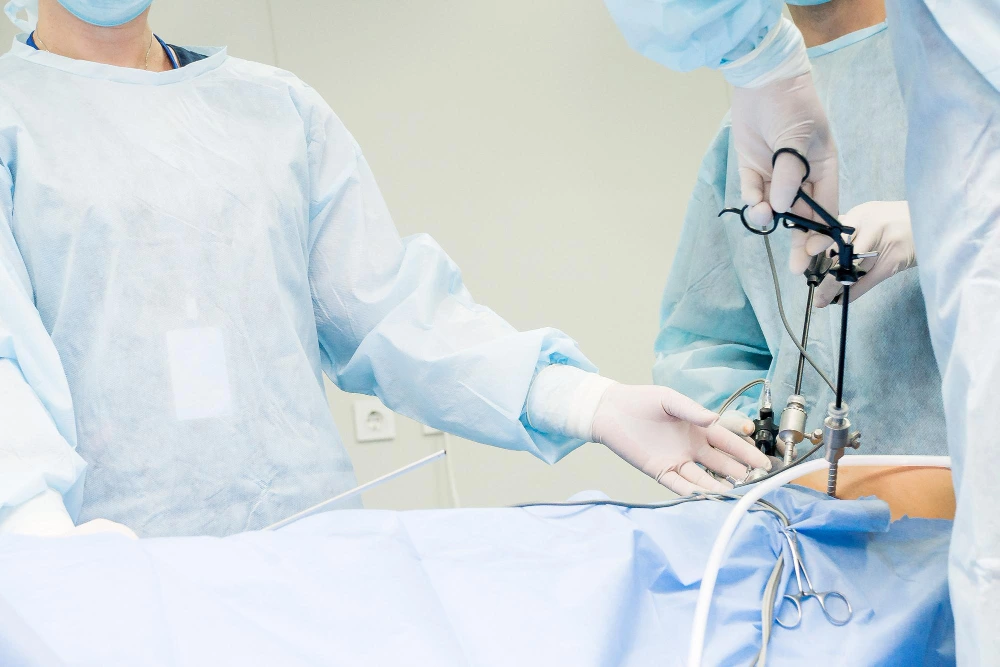
A laparoscopy is a minimally invasive surgical procedure used to diagnose or treat conditions within the abdomen or pelvis. Instead of a large incision, the surgeon uses tiny key-hole cuts and a laparoscope – a thin tube with a camera – to view and operate inside the body. Recovery is typically quicker than with open surgery, but the exact duration depends on the reason for the procedure and each patient’s overall health.
Typical Recovery Timeline
- Same-day discharge: Many laparoscopic procedures are done on an outpatient basis, meaning patients go home within a few hours.
- First 24 hours: Mild pain, bloating, or shoulder discomfort (from gas used to inflate the abdomen) is common. Light movement and hydration help relieve these symptoms.
- First week: Most people resume normal household activities within 3–5 days. The small incisions heal quickly, though fatigue may persist briefly.
- 1–2 weeks: Patients usually return to office or light work. Heavy exercise or lifting should still be avoided.
- 2–4 weeks: Complete recovery for simple procedures. More complex surgeries – such as endometriosis treatment or hernia repair – may require up to 4–6 weeks.
Factors That Influence Recovery
- Type and complexity of the procedure
- Age and general health
- Pre-existing conditions such as diabetes or obesity
- Post-operative care and adherence to medical advice
Tips for Faster Healing
- Get adequate rest and nutrition.
- Keep incisions clean and dry.
- Avoid heavy lifting until cleared by your surgeon.
- Attend follow-up visits to monitor healing.
When to Seek Medical Help
Contact your healthcare provider if you notice persistent fever, severe abdominal pain, vomiting, swelling, or discharge from the incision site.
Conclusion
Most people recover from laparoscopy within one to two weeks, enjoying minimal pain and a swift return to daily life. Proper after-care and regular follow-up ensure a smooth, complication-free recovery.

