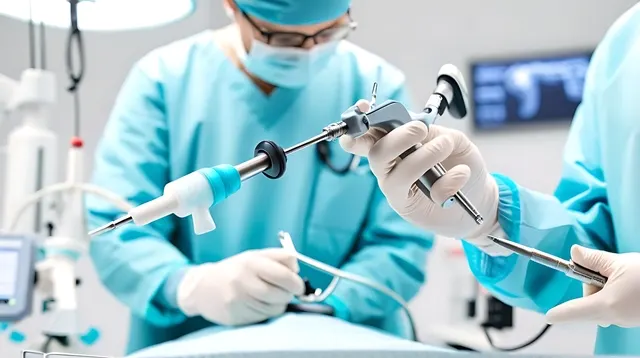
Laparoscopy, also known as keyhole surgery, is a minimally invasive procedure that offers quicker recovery and smaller scars compared to traditional open surgery. While the procedure is relatively simple, recovery still requires proper care.
Following the correct dos and don’ts after laparoscopy helps prevent complications, reduce discomfort, and ensure faster healing. Whether you’ve undergone gallbladder removal, appendectomy, hernia repair, or a gynaecological laparoscopy, post-operative care plays a vital role in your recovery.
What to Expect After Laparoscopic Surgery
After the procedure, it’s common to experience mild abdominal pain, bloating, shoulder discomfort (due to trapped gas), and fatigue for a few days. Most patients can go home within 24 hours, but the healing process continues for one to three weeks.
To recover safely, follow your surgeon’s instructions carefully. The first few days are crucial for wound healing and regaining energy.
Dos After Laparoscopy
1. Start Walking Early
Gentle walking is encouraged within 6 to 12 hours after surgery, as it improves blood circulation, prevents blood clots, and helps release trapped gas from the abdomen. Start slowly and gradually increase your movement each day.
2. Eat a Light, Nutritious Diet
Begin with clear liquids or soft foods like soups, khichdi, or porridge, and slowly return to your regular diet as advised by your doctor. Focus on high-protein, fibre-rich meals that support healing and prevent constipation.
3. Stay Hydrated
Drink plenty of water and natural fluids such as coconut water or soups. Staying hydrated helps your body flush out anaesthetic agents and reduces fatigue.
4. Take Prescribed Medications
Use the prescribed antibiotics, painkillers, or anti-inflammatory drugs exactly as directed. Do not skip doses, and complete the antibiotic course even if you feel better.
5. Care for Your Incision Site
Keep the incision area clean and dry. Follow your doctor’s guidance for dressing changes. Watch for signs of infection such as redness, swelling, or discharge, and report them immediately.
6. Get Adequate Rest
Your body needs rest to recover. Sleep at least 7–8 hours daily and take short naps if needed. Avoid unnecessary strain or overexertion in the first week.
7. Follow Up with Your Surgeon
Attend your scheduled post-operative visits. The doctor will check your incision, review your recovery progress, and may remove sutures or stitches if required.
Don’ts After Laparoscopy
1. Don’t Lift Heavy Objects
Avoid lifting anything heavier than 4–5 kilograms for at least two weeks. Straining your abdominal muscles too soon can increase pain or delay healing.
2. Don’t Drive Immediately
Refrain from driving for at least a week or until you can move comfortably and are no longer taking pain medication. Sudden movements can stress your incision site.
3. Don’t Skip Meals or Overeat
Skipping meals can cause weakness, while overeating can lead to bloating and discomfort. Eat small, frequent meals instead of large portions.
4. Don’t Ignore Pain or Fever
Mild pain is normal, but persistent or sharp pain, fever, or excessive swelling could indicate an infection or internal complication. Consult your doctor immediately if symptoms worsen.
5. Don’t Smoke or Consume Alcohol
Smoking reduces oxygen flow and delays wound healing. Alcohol interferes with medications and can slow down recovery. Avoid both for at least two weeks post-surgery.
6. Don’t Resume Vigorous Exercise Too Soon
Avoid jogging, gym workouts, or intense physical activity for at least 2–3 weeks. Wait for your doctor’s approval before returning to your exercise routine.
7. Don’t Wet the Wound Prematurely
Avoid soaking the incision area in water or taking baths until the doctor allows it. Stick to gentle sponge baths to maintain hygiene without disturbing the wound.
Managing Common Post-Laparoscopy Symptoms
Shoulder or Chest Discomfort
This happens due to carbon dioxide gas used during surgery. Walking, light stretching, and deep breathing exercises help release trapped gas and ease discomfort.
Constipation
Pain medications and limited mobility can cause constipation. Eat fibre-rich foods such as fruits, vegetables, and oats, and drink plenty of water.
Mild Fatigue
Feeling tired is normal for the first few days. Take adequate rest, eat well, and gradually return to daily activities without pushing yourself too hard.
What is Laparoscopic Surgery?
Laparoscopic surgery is a minimally invasive technique in which the surgeon makes tiny incisions, usually less than 1 cm, and inserts a thin tube with a camera (laparoscope). The camera projects a magnified image of the inside of the body onto a screen, allowing the surgeon to operate with precision.
It is commonly used for:
- Gallbladder removal (cholecystectomy)
- Appendectomy (appendix removal)
- Hernia repair
- Bariatric (weight-loss) surgery
- Gynaecological procedures (hysterectomy, ovarian cyst removal)
- Colon and stomach surgeries
Why Laparoscopic Surgery is Considered Safe
1. Smaller Incisions
Unlike open surgery, which requires large cuts, laparoscopy uses very small incisions. This reduces tissue damage and promotes faster healing.
2. Reduced Blood Loss
With minimal tissue trauma, there is less bleeding during the procedure, lowering the risk of transfusions.
3. Lower Infection Risk
Small wounds mean fewer chances of post-surgical infections compared to open operations.
4. Quicker Recovery
Most patients can walk within hours and return home the next day. Full recovery is often weeks faster than traditional surgery.
5. Less Pain & Scarring
Smaller cuts heal faster, leave minimal scars, and cause less pain during recovery.
These factors make laparoscopy the preferred choice for many surgeons and patients alike.
Possible Risks of Laparoscopic Surgery
Even though it is safe and commonly performed, no surgery is completely risk-free. Some potential complications include:
- Bleeding or infection at the incision site
- Injury to nearby organs such as the intestines, bladder, or blood vessels
- Reaction to anaesthesia
- Blood clots in rare cases
- Conversion to open surgery – If visibility is poor or complications arise, the surgeon may switch to open surgery for safety
Fortunately, these complications are rare, especially when the procedure is performed by experienced surgeons in advanced hospitals.
Who May Not Be the Best Candidate?
While laparoscopic surgery is safe for most people, it may not be ideal in certain situations, such as:
- Severe heart or lung disease (patients may struggle with anaesthesia)
- Extensive abdominal scar tissue from previous surgeries
- Severe obesity in some cases
- Bleeding disorders
Your surgeon will assess your medical history and recommend the safest approach for you.
Recovery After Laparoscopic Surgery
Immediately After Surgery
- You may feel drowsy from anaesthesia.
- Mild pain or bloating from the gas used to inflate the abdomen is common.
- Most patients can walk within a few hours.
At Home
- Follow your doctor’s instructions for wound care.
- Resume light activities in a few days.
- Avoid lifting heavy weights until cleared by your surgeon.
- Take prescribed medications regularly.
Most patients return to work and normal life within 1–2 weeks, depending on the surgery type.
Laparoscopy, also known as keyhole surgery, is a minimally invasive procedure that offers quicker recovery and smaller scars compared to traditional open surgery. While the procedure is relatively simple, recovery still requires proper care.
Following the correct dos and don’ts after laparoscopy helps prevent complications, reduce discomfort, and ensure faster healing. Whether you’ve undergone gallbladder removal, appendectomy, hernia repair, or a gynaecological laparoscopy, post-operative care plays a vital role in your recovery.
What to Expect After Laparoscopic Surgery
After the procedure, it’s common to experience mild abdominal pain, bloating, shoulder discomfort (due to trapped gas), and fatigue for a few days. Most patients can go home within 24 hours, but the healing process continues for one to three weeks.
To recover safely, follow your surgeon’s instructions carefully. The first few days are crucial for wound healing and regaining energy.
Dos After Laparoscopy
1. Start Walking Early
Gentle walking is encouraged within 6 to 12 hours after surgery, as it improves blood circulation, prevents blood clots, and helps release trapped gas from the abdomen. Start slowly and gradually increase your movement each day.
2. Eat a Light, Nutritious Diet
Begin with clear liquids or soft foods like soups, khichdi, or porridge, and slowly return to your regular diet as advised by your doctor. Focus on high-protein, fibre-rich meals that support healing and prevent constipation.
3. Stay Hydrated
Drink plenty of water and natural fluids such as coconut water or soups. Staying hydrated helps your body flush out anaesthetic agents and reduces fatigue.
4. Take Prescribed Medications
Use the prescribed antibiotics, painkillers, or anti-inflammatory drugs exactly as directed. Do not skip doses, and complete the antibiotic course even if you feel better.
5. Care for Your Incision Site
Keep the incision area clean and dry. Follow your doctor’s guidance for dressing changes. Watch for signs of infection such as redness, swelling, or discharge, and report them immediately.
6. Get Adequate Rest
Your body needs rest to recover. Sleep at least 7–8 hours daily and take short naps if needed. Avoid unnecessary strain or overexertion in the first week.
7. Follow Up with Your Surgeon
Attend your scheduled post-operative visits. The doctor will check your incision, review your recovery progress, and may remove sutures or stitches if required.
Don’ts After Laparoscopy
1. Don’t Lift Heavy Objects
Avoid lifting anything heavier than 4–5 kilograms for at least two weeks. Straining your abdominal muscles too soon can increase pain or delay healing.
2. Don’t Drive Immediately
Refrain from driving for at least a week or until you can move comfortably and are no longer taking pain medication. Sudden movements can stress your incision site.
3. Don’t Skip Meals or Overeat
Skipping meals can cause weakness, while overeating can lead to bloating and discomfort. Eat small, frequent meals instead of large portions.
4. Don’t Ignore Pain or Fever
Mild pain is normal, but persistent or sharp pain, fever, or excessive swelling could indicate an infection or internal complication. Consult your doctor immediately if symptoms worsen.
5. Don’t Smoke or Consume Alcohol
Smoking reduces oxygen flow and delays wound healing. Alcohol interferes with medications and can slow down recovery. Avoid both for at least two weeks post-surgery.
6. Don’t Resume Vigorous Exercise Too Soon
Avoid jogging, gym workouts, or intense physical activity for at least 2–3 weeks. Wait for your doctor’s approval before returning to your exercise routine.
7. Don’t Wet the Wound Prematurely
Avoid soaking the incision area in water or taking baths until the doctor allows it. Stick to gentle sponge baths to maintain hygiene without disturbing the wound.
Managing Common Post-Laparoscopy Symptoms
Shoulder or Chest Discomfort
This happens due to carbon dioxide gas used during surgery. Walking, light stretching, and deep breathing exercises help release trapped gas and ease discomfort.
Constipation
Pain medications and limited mobility can cause constipation. Eat fibre-rich foods such as fruits, vegetables, and oats, and drink plenty of water.
Mild Fatigue
Feeling tired is normal for the first few days. Take adequate rest, eat well, and gradually return to daily activities without pushing yourself too hard.
Conclusion
So, is laparoscopic surgery safe? Yes. For most patients, it is one of the safest and most effective surgical methods available today. With smaller cuts, faster recovery, and fewer complications, it has become the gold standard for many operations.
That said, every surgery has some risks. The best way to ensure safety is to choose an experienced surgeon, follow pre-operative instructions carefully, and stick to recovery guidelines.